
Video chat obituary • no tiny violin detected
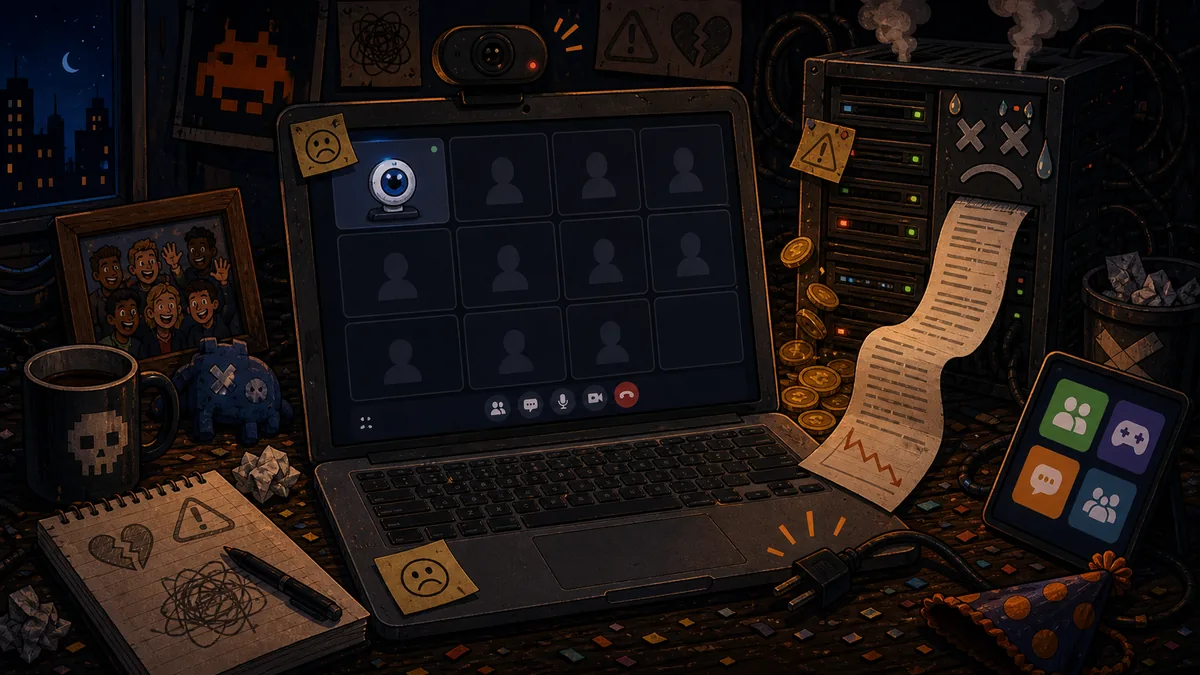
TinyChat was once a lively little video-chat corner of the internet. Then the bills arrived, the lag moved in, the users drifted away, and the webcam party quietly turned into an empty room with a spinning loading icon.
It officially announced its shutdown on December 16, 2024, after years of competition, technical headaches, moderation pressure and the brutal economics of streaming video. Omegle Closed Forever: What Went Wrong And Why It Had To End shows how another giant chat platform hit similar pressure from safety, moderation and legal risk.
The short version
The Video Chat Room Went Quiet
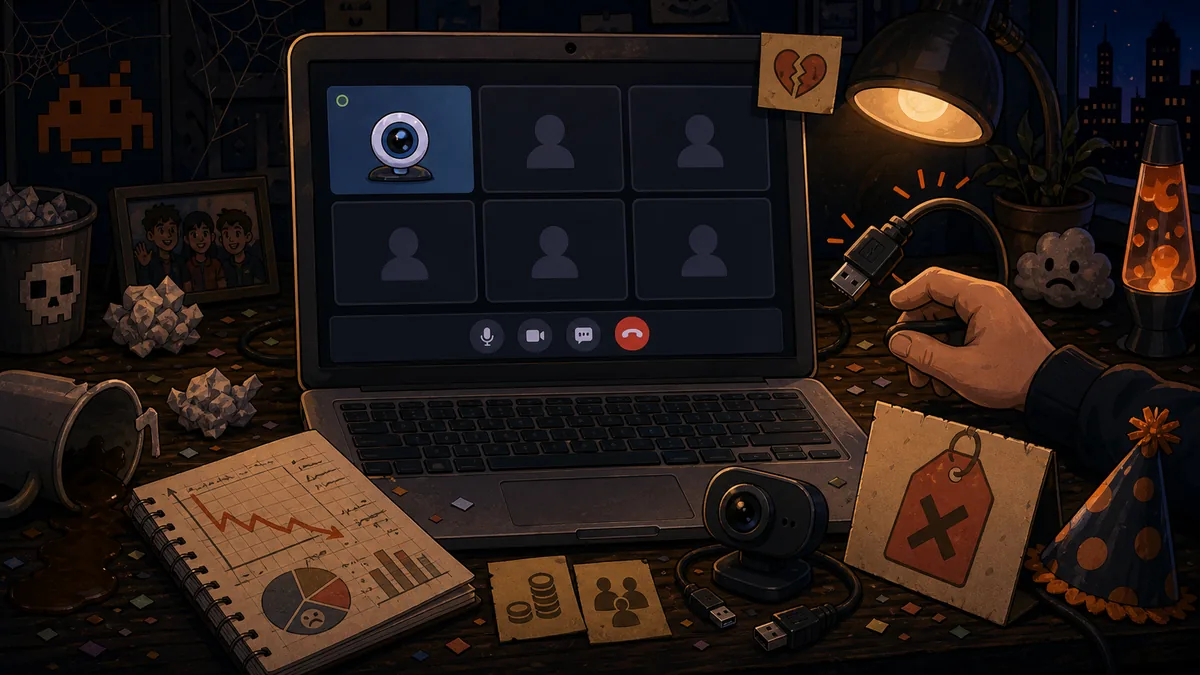
TinyChat had its moment. During the pandemic, group video rooms felt genuinely useful: a place to laugh, check in, meet people and pretend your internet connection was not being held together with damp string.
But the platform was not very mobile-friendly, suffered from technical issues, and faced the same moderation problem that keeps catching up with older chat services: if people can broadcast live video, somebody has to control what appears on screen.
With the UK Online Safety Act changing expectations for platforms, TinyChat was heading into a world where “we have some rooms and hope for the best” was not going to cut it.
Video chat streaming is expensive. Shockingly, asking servers to carry twelve webcams and a room full of chaos is not powered by good vibes.
The boring business bit, sadly doing the most damage
Reason one
The Bills Were Not Tiny
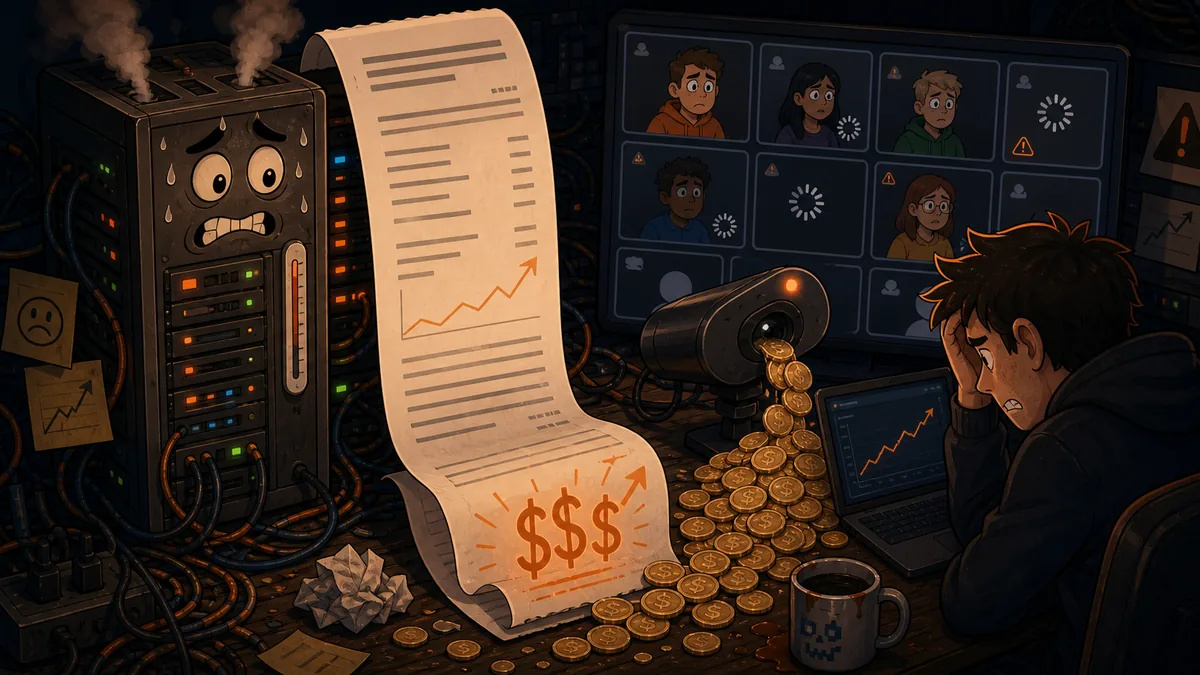
Video chat is not cheap to run. Text chat can feel lightweight. Video streaming is a hungry machine that wants bandwidth, servers, moderation and constant maintenance.
The current page notes that subscription revenue declined sharply before closure and that TinyChat’s parent company, Paltalk, was dealing with operational strain. Even with investor history and name recognition, a platform still needs a working business model.
In short: nostalgia does not pay bandwidth invoices. Annoying, but apparently true.

Reason two
Lag, Outages And The Joy Of Frozen Faces
Frequent downtime and performance issues made TinyChat feel older than it needed to. A video chat platform can survive a lot, but not if users spend half the time looking at frozen foreheads and apologising for lag.
Meanwhile, newer platforms offered smoother rooms, mobile-friendly interfaces, and community tools that made TinyChat feel like it had turned up to a smartphone fight carrying a webcam from 2009.
Reason three
Moderation Was Always The Trap Door
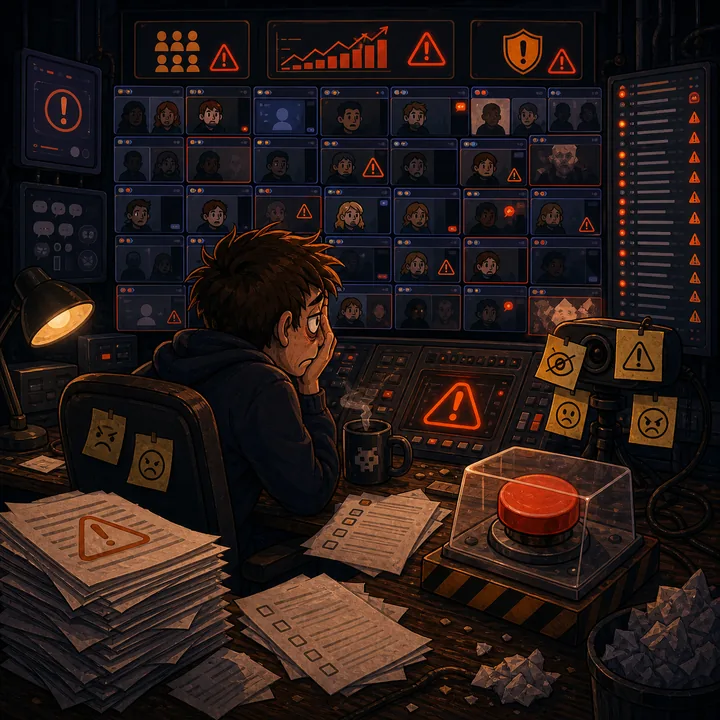
Live rooms are hard to moderate. Text can be scanned. Images can be reviewed. Live video arrives in real time, wearing a hat and carrying a bad idea.
As rules tightened and platforms faced more responsibility, the old model of open video rooms became harder to justify without serious safety systems behind it.
What TinyChat got right
For A While, It Really Did Feel Like A Room
TinyChat launched in 2009 and became known for group video rooms where multiple people could broadcast at once while others watched, typed and joined in.
At its peak, it reportedly had millions of registered users and became a familiar place for casual communities, fan interactions, group hangouts and pandemic-era connection. That matters. Not every old platform was useless just because it eventually fell over.
2009
Launch year, back when webcams felt more exciting and less like a workplace obligation.
12
Multiple video feeds helped make rooms feel lively and chaotic in equal measure.
2024
Shutdown announcement, when the room finally emptied out.

The bigger lesson
Old Chat Platforms Do Not Die In One Dramatic Explosion
They usually fade in stages: users drift away, technical debt gets heavier, competitors improve, mobile expectations change, moderation becomes more serious, and one day the platform looks around and realises the room is mostly empty.
TinyChat was not a complete failure. It was an early version of something people clearly wanted: easy rooms, group presence and casual conversation. The problem was keeping that alive when video became expensive, mobile-first and much more regulated.
TinyChat is not the only chat platform to disappear; we keep a growing lost chat platforms archive for old rooms, messengers and chat software that shut down or faded away.
TinyChat is not the only chat platform to disappear; we keep a growing lost chat platforms archive for old rooms, messengers and chat software that shut down or faded away.
Still Want A Place To Chat?
World of Chat is not trying to resurrect every webcam room from the past. It is about keeping the good bit: people actually talking, without the platform feeling like it was last maintained during dial-up.
If you miss the old format
StumbleChat Is The Closest TinyChat-Style Alternative
If you specifically miss the TinyChat layout and room format, StumbleChat is probably the closest thing to it. It has a very similar feel, so anyone looking for that old group video-room setup may want to start there.
I would not be surprised if there are more TinyChat clones floating around, because the internet sees one closed webcam room and immediately starts breeding replacements in the cupboard.
Be careful with promotional content pushing random alternatives. Some chat platforms look active on the surface but have weak safety, poor moderation, or the general atmosphere of a nightclub toilet at closing time.
Final thought
The TinyChat Party Ended, But The Need Did Not
TinyChat closing is another reminder that online communities are fragile. They need users, money, moderation, modern design and a reason to keep coming back.
The chat is not dead. The old room just closed, the lights are off, and someone has finally stopped pretending the server bill was going to sort itself out.